In the cyclical history of Venezuela’s oil industry, legal frameworks have served as both accelerators and brakes on development. As Venezuela stands on the precipice of a new legal era with the National Assembly’s approval of the 2026 reform to the Organic Law on Hydrocarbons, it is instructive to look back at the legislation that originally transformed the nation from an agricultural backwater into a global energy powerhouse: the Hydrocarbons Law of 1922.
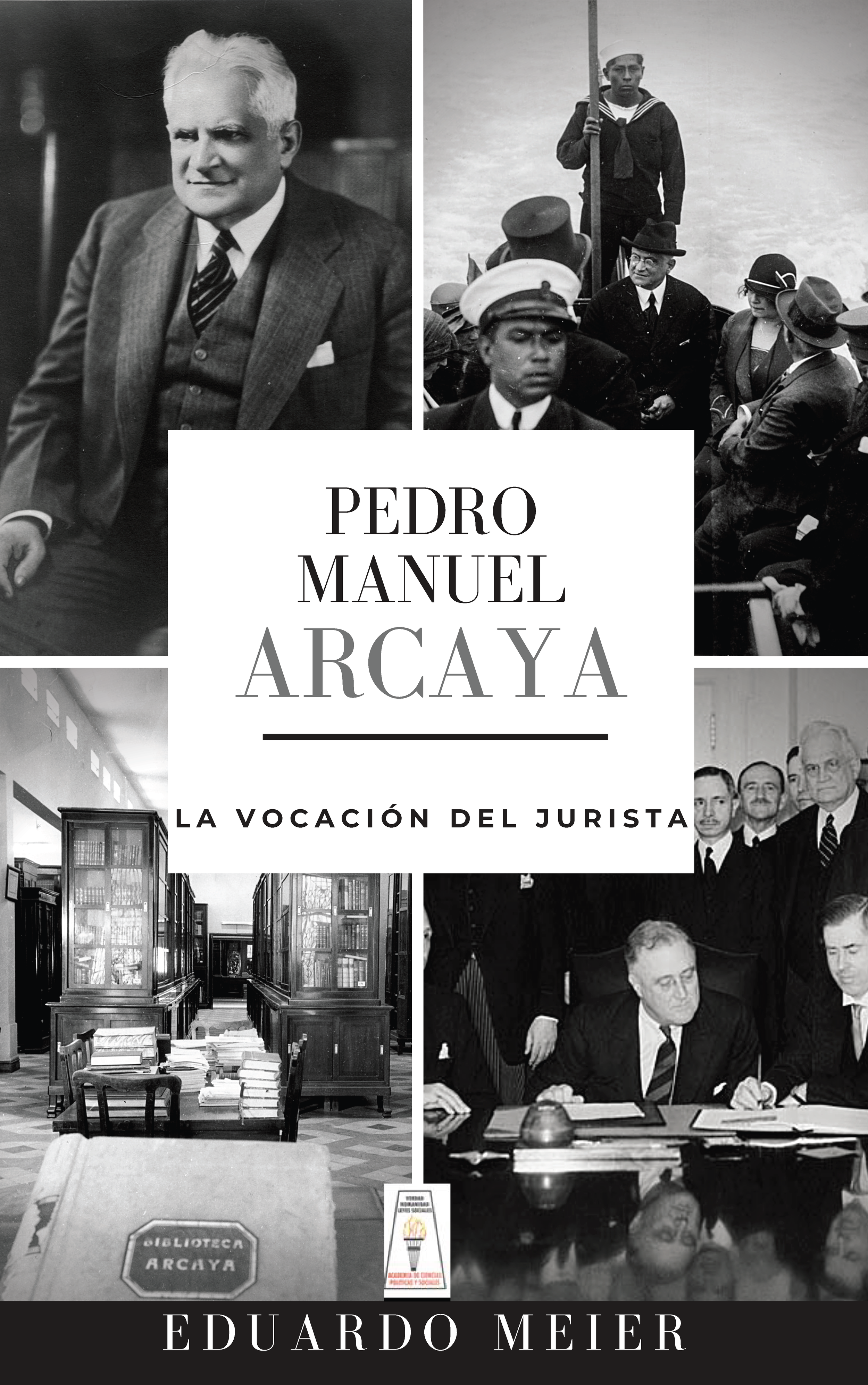
Pedro Manuel Arcaya, drafter of Venezuela's 1922 Hydrocarbons Law
The Hydrocarbons Law of 1922 was the legal bedrock upon which the Venezuelan oil giant was built. Its drafter, jurist Pedro Manuel Arcaya, advised the Gómez administration that direct state exploitation was too costly and risky; instead, the state should act as an overseer, capturing rent through taxation while private capital assumed the operational risk.
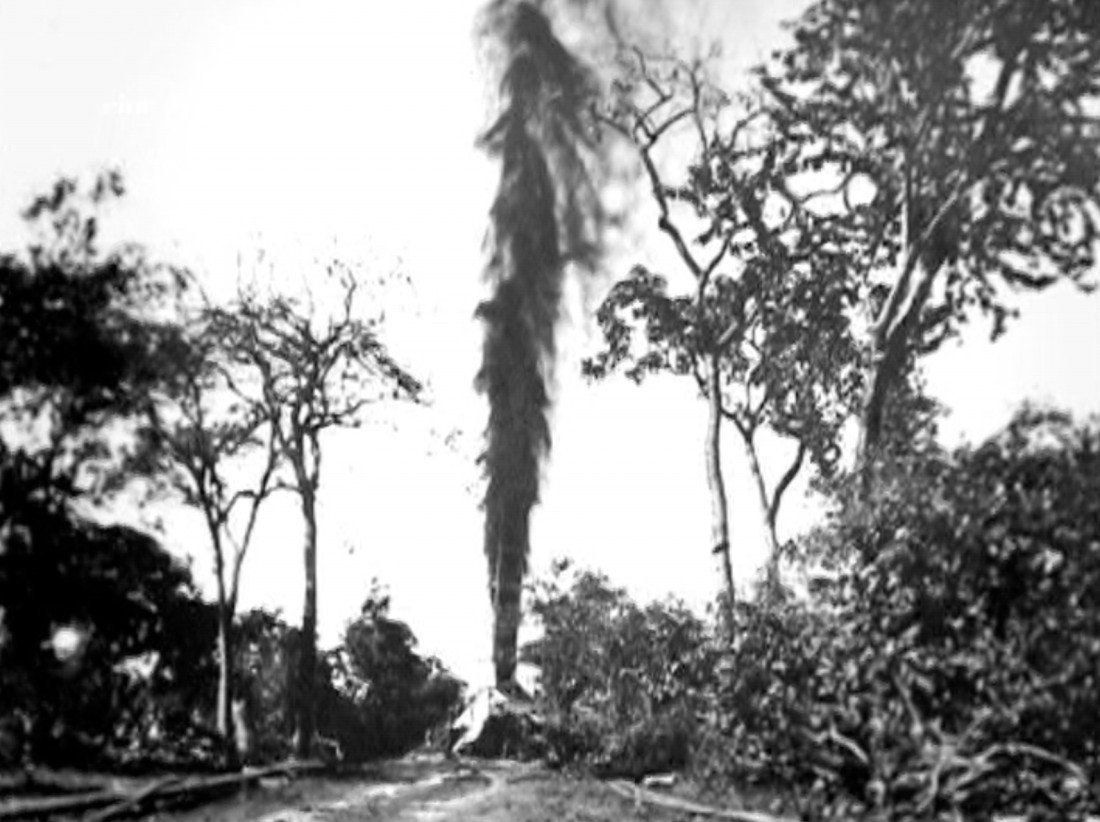
he Barroso II blowout, December 14, 1922 — the event that launched Venezuela's oil era
The 2026 Reform represents a modern realization of that same pragmatic principle. By dismantling the statist rigidity codified in the 2001 Hydrocarbons Law and hardened by the 2006 contract migrations, Venezuela is effectively returning to a concession-like model through "Productive Participation Contracts." Under this new regime, private operators once again assume "integral management" at their own "exclusive cost, account, and risk," while the state secures revenue through royalties and taxes without assuming financial debts.

The 'chessboard' concession strategy of the 1922 Hydrocarbons Law
Perhaps the most singular achievement enabled by the 1922 Law was the restoration of Venezuela's financial sovereignty. The influx of oil revenues allowed the Gómez administration to accelerate debt repayment significantly. On December 17, 1930, in commemoration of the centenary of Simón Bolívar’s death, Venezuela paid off its entire foreign debt. By the time of Gómez's death in 1935, the internal public debt was also almost completely repaid. This period stands as a unique anomaly in the nation's history, a moment where the state was virtually debt-free, a sharp contrast to the massive indebtedness that characterized the oil booms of the 1970s and 2000s.
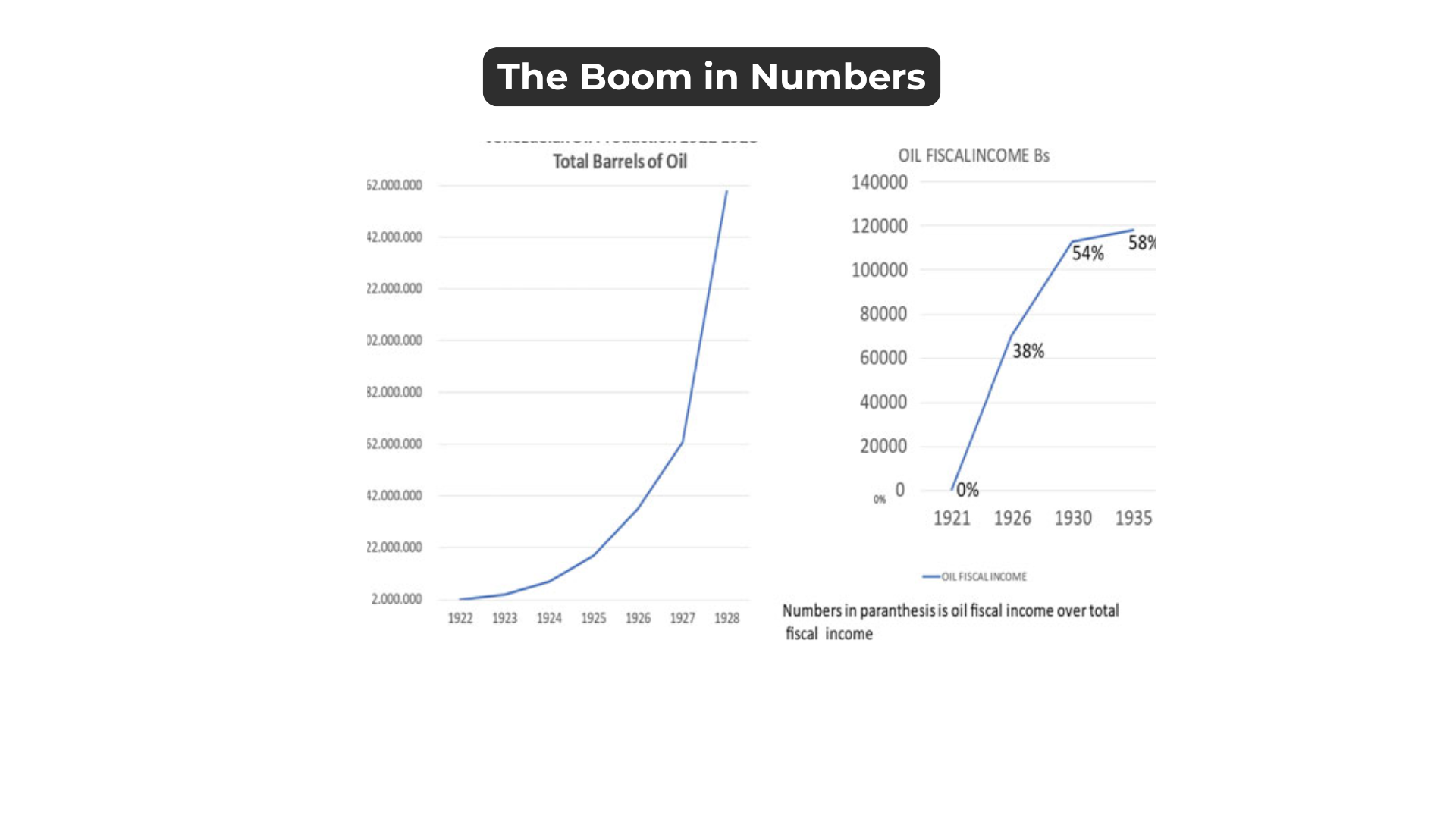
Venezuela's oil production and fiscal revenue, 1921–1935
The parallel with 1922 is instructive, not as a roadmap for guaranteed success, but as a reminder that Venezuela has done this before. Legal clarity, fiscal pragmatism, and respect for private capital, elements that defined the 1922 boom, can unlock extraordinary national wealth, provided the political conditions exist to enforce them.
Ramón Andrade is a Partner at Ponte Andrade Casanova (PAC) in Caracas, where he leads the firm's energy, natural resources, and project finance practice. Pedro Manuel Arcaya, the drafter of Venezuela's 1922 Hydrocarbons Law, was his great-grandfather.